

Are your SEO rankings stuck even after all your efforts? Outdated pages could be the reason. Old articles can quietly lower your site’s visibility, reduce traffic, and hurt engagement.
According to Forbes Advisor, over 90% of web pages never get organic search traffic. This highlights the importance of keeping your content fresh and relevant. Many websites have hidden issues like thin content, duplicate pages, or poorly optimized articles. Doing a content inventory helps you identify which pages add value and which need updating or removal. Pruning old content is not optional; it’s critical to keep your site competitive and relevant.
Key Takeaways
- Content pruning improves your website’s quality by removing outdated information
- Regular pruning helps maintain your brand’s credibility and authority online
- Search engines reward websites that consistently provide high-quality, updated content
- Outdated articles increase bounce rates, which negatively impacts SEO
- Analytics tools can identify underperforming articles that need pruning
Understanding Content Pruning and Why It Matters

Content pruning improves search visibility and overall SEO performance
Think of content pruning like gardening. You trim dead branches to help a plant grow. Similarly, removing old or irrelevant pages helps your website thrive.
Content pruning means reviewing your site and deciding which pages to keep, update, or remove. Doing so improves website quality and user experience, making your site more appealing to visitors and search engines.
Pruned content ensures visitors find relevant, up-to-date information. This encourages engagement, increases time on site, and drives organic traffic. Search engines reward sites that regularly refresh content, boosting your rankings.
The goal of content pruning is to declutter your site and improve SEO. Fresh, high-quality content signals authority and relevance, attracting more visitors and maintaining your brand’s credibility.
How Outdated Content Affects SEO Rankings
Old content can quietly harm your SEO. Pages with outdated information often have high bounce rates, signaling to search engines that your content may not be valuable.
Search engines may struggle to index old pages correctly. Outdated content can dilute keyword focus and confuse search engines about your site’s purpose.
When your site has low-quality or irrelevant pages, it competes with your own high-value content. This can lower rankings across the board. Regular content pruning ensures your site aligns with search engine preferences, improving rankings and attracting more organic traffic.
Common Content Issues That Hurt SEO and How to Fix Them
| Issue | Impact on SEO | Action Needed |
| Outdated content | Reduces search engine rankings | Update or remove pages |
| Low-quality / thin content | Confuses search engines, lowers authority | Expand or consolidate content |
| Duplicate pages | Dilutes keyword focus | Merge or delete duplicates |
| High bounce rates | Signals a low value to search engines | Improve content relevance |
| Poor backlink relevance | Weakens the link authority | Update or redirect links |
This table highlights the most common content problems and the actions you can take to fix them. Understanding these issues makes the next steps of content pruning easier and more effective.
Identifying Pages That Need Pruning
Start by creating a content inventory of all articles on your website. This helps you see which pieces are outdated, underperforming, or duplicate.
Next, look for thin content; pages or articles that provide little value to users. Thin content can hurt SEO and confuse search engines about your site’s focus.
Use tools like Google Analytics to check traffic, engagement, and bounce rates. High bounce rates often signal content that needs updating or removal.
Evaluate the quality of your articles and consider their impact on backlinks. Removing outdated or low-value pages protects your site’s link authority.
Finally, gather user feedback to see which content remains valuable. Prioritize articles that deliver real value and support your SEO goals.
Compare With Competitors
Look at competitor websites to spot gaps in content. This helps identify outdated topics, missing keywords, or areas where your site could offer higher-quality content.
Review Keyword Relevance
Check how well each page aligns with your target keywords. Outdated articles with poor keyword focus can dilute your site’s authority and affect rankings.
Audit Backlinks
Examine inbound and internal backlinks for each article. Remove or update links pointing to outdated or low-quality pages to maintain SEO value.
Gather User Feedback
Listen to your audience through comments, surveys, or social media. User insights reveal which content remains valuable and which pages may require pruning.
The Pruning Process: Steps to Get Started
Before you start pruning, it’s important to understand your website’s current state. Take a content inventory of all your articles to know what content exists and how it performs. Consider how search engines crawl your site and whether your crawl budget is being used efficiently.
Identify areas where thin content or outdated articles may be affecting your SEO rankings.
Also, note opportunities for internal backlinks to strengthen authority and guide visitors.
With a clear overview, you can tackle content pruning strategically and make decisions that boost both quality and SEO performance.
Take a content inventory of all your pages. This helps you see what’s outdated, what performs well, and what needs pruning. Watch for keyword cannibalization. If multiple pages target the same keyword, merge or remove them to boost SEO.
Conduct a Content Audit
Begin by reviewing your entire website. Evaluate each page and article for performance, relevance, and overall quality. A thorough content audit helps you identify which pages are helping your SEO and which may be holding it back.
Set Clear Criteria
Define rules for what content to keep, update, or remove. Focus on articles that align with your goals, provide value to users, and support your SEO strategy. Clear criteria make the content pruning process efficient and effective.
Update High-Potential Pages
Identify pages and articles that can be improved rather than removed. Refresh outdated information, optimize keywords, enhance readability, and update visuals. These pages can boost rankings and engagement.
Remove Low-Value or Thin Content
Some pages may not add value to your audience or SEO. Remove or consolidate thin content to declutter your site and strengthen your website’s overall authority.
Monitor and Adjust Regularly
Content pruning is not a one-time task. Continuously track performance, analyze metrics, and adjust your strategy. Regular review ensures your website remains relevant, high-quality, and optimized for both users and search engines.
Tools and Techniques for Effective Pruning
Before you start using tools, clarify your goals for content pruning. Know which pages need updating, consolidation, or removal.
Take a content inventory to see all articles and assess their performance. Example of how SEO tools help identify traffic trends and underperforming pages:
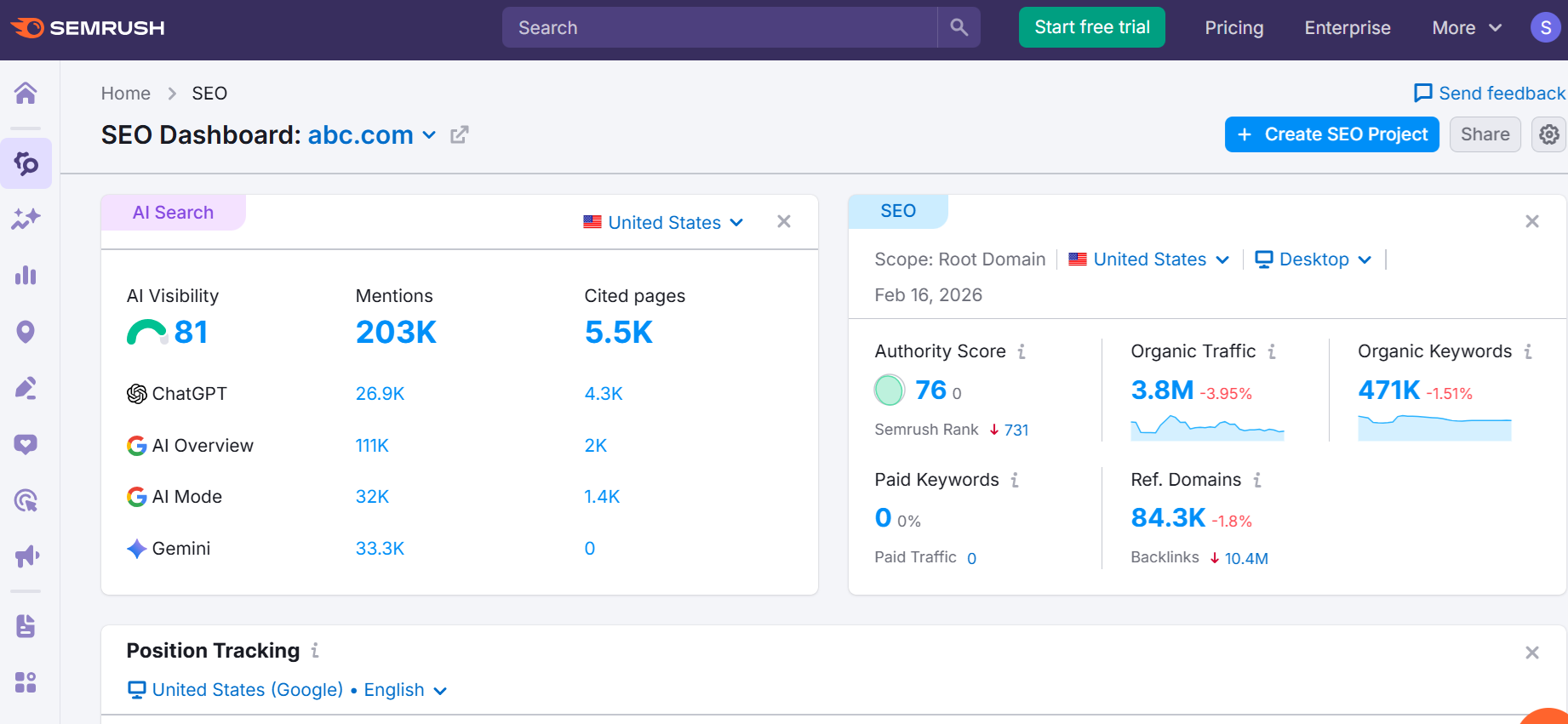
SEO dashboard highlighting organic traffic, keyword rankings, and authority metrics used to identify underperforming content.
Check how search engines crawl your site and whether your crawl budget is being used efficiently. Identify thin content or outdated articles that could hurt rankings.
Look for opportunities to add backlinks. Strong internal links guide visitors and boost page authority.
Google Analytics
Use Google Analytics to track performance for each article. Monitor traffic, engagement, and bounce rates to identify pages that may need pruning or updating. This data-driven approach ensures your content pruning process targets the right pages.
SEO Tools (SEMrush, Ahrefs)
Analyze keywords, content relevance, and backlink opportunities with SEO tools such as SEMRush, Ahrefs, or SE Ranking. These platforms help you identify which articles to update or remove, keeping your site high-quality and SEO-friendly.
Content Management Systems (CMS)
A CMS allows you to quickly update or remove pages, streamline the content pruning process, and manage your content inventory efficiently. Use it to fix broken links, improve on-page SEO, and enhance readability.
Editorial Calendars
Plan and track updates using editorial calendars. Organizing your content schedule helps maintain consistency and ensures high-quality content is published regularly.
Team Collaboration
Involve your team in the content pruning process. Different perspectives help spot outdated content, thin content, and opportunities for internal backlinks. Collaboration ensures thorough pruning and improved overall website performance.
Optimizing Your Content Pruning Process
Effective content pruning requires a clear plan. Follow these steps to ensure your website stays high-quality, relevant, and SEO-friendly.
1. Take a Complete Content Inventory
List all articles, blog posts, and landing pages. Include metrics like traffic, bounce rate, and engagement. This helps you spot outdated content, underperforming pages, and opportunities to improve.
2. Check for Keyword Cannibalization
Identify multiple pages targeting the same keyword. Competing pages can dilute rankings and confuse search engines about which page to prioritize. Merge or update them to:
- Avoid confusion for search engines
- Strengthen your SEO
- Guide visitors to the most relevant page
3. Evaluate Crawl Budget
Search engines crawl only a limited number of pages on your website. If too many low-value or outdated pages exist, important content may be overlooked. Prioritize these areas to improve crawl efficiency:
- Remove low-value or outdated pages to free up your crawl budget
- Ensure important, high-quality content gets indexed faster
4. Identify and Fix Thin Content
Pages with very little information can negatively impact your search rankings. Thin or underdeveloped content may reduce credibility and weaken your overall site authority. Focus on these areas for improvement:
- Expand thin content with useful, updated information
- Or remove it if it offers no real value
This improves overall content quality and boosts user engagement.
5. Review Backlinks
Review which pages have internal and external links pointing to them. Understanding link activity helps identify high-value content and pages that may still carry authority. Focus on the following:
- Update links or redirect them to relevant pages
- Protect your site’s link authority
- Improve navigation for both users and search engines
6. Continuous Monitoring
Track performance using analytics and user feedback to measure what’s working and where improvements are needed. Data-driven insights help refine your strategy and improve results over time. Focus on:
- Regularly review content quality
- Update outdated information
- Adjust your content pruning process based on results
By following this structured approach, your website stays authoritative, easy to navigate, and aligned with search engine expectations. A well-planned content pruning process ensures higher rankings, more traffic, and better user experience.
Benefits of the Content Pruning Process
Content pruning does more than tidy up your website; it directly impacts SEO, user experience, and overall site performance. By removing or updating outdated and low-quality content, your website becomes more focused, authoritative, and user-friendly.
Higher Search Engine Rankings
Removing outdated or low-quality pages helps search engines focus on your best content. This improves your site’s overall authority and positions your high-value pages higher in search results.
Improved User Experience
Visitors find only relevant, updated information. Removing clutter and outdated articles makes it easier for users to navigate your site and find the information they need.
Increased Organic Traffic
Fresh, well-optimized content attracts more visitors from search engines. Pruning underperforming pages allows your high-quality content to shine and draw consistent organic traffic.
Stronger Brand Authority
Regularly updating and pruning content signals to your audience and search engines that your website is trustworthy, reliable, and authoritative.
Better Engagement and Conversions
High-quality, relevant content keeps visitors engaged. Visitors stay longer on your site and are more likely to subscribe, download resources, or make a purchase.
FAQs About Content Pruning
What is content pruning?
Content pruning is the process of reviewing and removing outdated, low-performing, or irrelevant pages from your website. It helps streamline your content and ensures that search engines focus on your most valuable pages. This practice improves overall site quality and can boost your SEO performance.
Why do old pages hurt SEO?
Old pages can contain outdated information, broken links, or duplicate content, which can confuse search engines. They may attract little traffic or dilute your website’s authority. Search engines may prioritize fresher, more relevant content over neglected pages.
How do I identify pages for pruning?
Review your website analytics to find pages with low traffic, high bounce rates, or minimal engagement. Check for outdated information, broken links, or thin content that adds little value. Prioritize pages that no longer support your website goals or user intent.
Should I delete or update old pages?
It depends on the page’s value: high-quality pages with outdated info should be updated, while low-value or irrelevant pages can be deleted. For pages with some authority, consider redirecting them to a relevant active page. This approach preserves SEO value while improving user experience.
How often should content pruning be done?
Content pruning should be a regular part of your SEO strategy, ideally every 6–12 months. Frequent audits help maintain a clean, high-performing site. Regular updates and pruning ensure your website stays relevant and competitive in search results.
Make Content Pruning a Priority
Content pruning is a powerful way to improve your website’s performance. Review your pages, update valuable content, and remove outdated or low-quality pages. This boosts SEO and improves the visitor experience. Monitor results and make adjustments to keep your website performing well.
As a digital marketing partner, ITVibes helps businesses optimize their websites through effective content pruning. Our team focuses on maintaining quality and relevance, aligning your content with industry trends, and keeping your site authoritative and user-focused. Even small updates can have a big impact on search rankings and visitor engagement.
Ready to take your website to the next level? Contact us today for expert guidance on content pruning and digital marketing strategies that drive results. We’ll help you attract more traffic, generate qualified leads, and keep your audience engaged.

Sabeeha Banu is a Content Writer at ITVibes, Inc., focused on writing clear and engaging content. She holds a Bachelor’s degree in Computer Science and brings a practical yet creative approach to her work. A lifelong learner and poet at heart, she enjoys crafting simple, meaningful stories inspired by everyday moments.