
Yes, most modern e-commerce websites are designed so business owners can manage them without needing advanced technical skills. After the website is built, you can typically update products, adjust pricing, manage orders, and add new content through an easy-to-use dashboard. Platforms such as WooCommerce provide a user-friendly interface that allows store owners to control day-to-day operations.
While technical support may still be helpful for advanced updates or maintenance, the basic management of an e-commerce store is usually simple. Many e-commerce platforms are built with intuitive tools that allow business owners to make updates confidently. With proper guidance and initial training, most store owners can comfortably handle routine tasks such as product updates, order monitoring, and website content changes.
How e-Commerce Website Management Works
Once your e-commerce website launches, you will gain access to an administrative dashboard where you can manage various aspects of your online store. This dashboard serves as the central control panel for your website, allowing you to oversee daily operations. From here, you can update products, review customer orders, manage inventory, and track sales activity.
Most e-commerce platforms organize these features into clearly labeled sections, making them easy to navigate even for beginners. With a short learning period, business owners can quickly become familiar with the system and perform updates without technical assistance. This accessibility helps businesses stay in control of their online store while keeping operations efficient.
Tasks You Can Manage Yourself
1. Adding and Updating Products
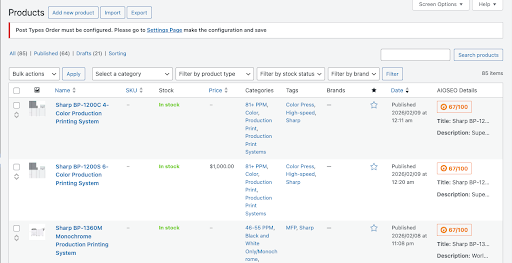
Store owners can easily add new products or update existing listings from the website dashboard. This includes uploading images, writing descriptions, adjusting prices, managing stock levels, and creating product variations such as size or color. Keeping product information accurate and well-organized ensures customers have clear details while shopping and helps maintain a professional online store.
2. Managing Orders
E-commerce dashboards allow business owners to review incoming orders, confirm payments, and track order status in one place. You can monitor order progress, update shipping information, and communicate with customers when needed. Managing orders directly through the website helps keep the fulfillment process organized and allows businesses to respond quickly to customer inquiries.
3. Updating Website Content
Business owners can update important website pages such as product categories, blogs, announcements, and promotional banners. These updates help keep the website fresh and relevant for visitors. Regularly updating content also supports search engine visibility, which can help your store appear in search results when customers look for related products online.
4. Monitoring Sales and Performance
Most e-commerce platforms provide reporting tools that allow store owners to track sales activity and understand customer behavior. These reports can show best-selling products, overall revenue, and purchasing trends. By reviewing this information regularly, businesses can make informed decisions about inventory, marketing campaigns, and product offerings.
When Professional Support May Still Be Helpful
Although everyday tasks can be managed independently, some areas of website management may still require technical expertise. Design changes, security updates, performance optimization, and advanced integrations often involve technical work that benefits from professional support. These improvements help maintain website speed, stability, and security.
Working with experienced developers or digital marketing professionals ensures that your e-commerce website continues to perform well over time. This support allows business owners to focus on managing products and serving customers while technical specialists handle complex updates.
Maintaining Long-Term e-commerce Success
Successfully managing an e-commerce website involves keeping product information updated, monitoring orders, and maintaining a positive customer experience. Business owners who stay involved in these routine tasks can respond quickly to customer needs and changing market trends. Modern e-commerce platforms provide simple tools that make daily management easier, allowing store owners to confidently operate and grow their online store with occasional professional support when needed.
Contact us to learn how we can build an e-commerce website that is easy to manage and designed to support your long-term online growth.