
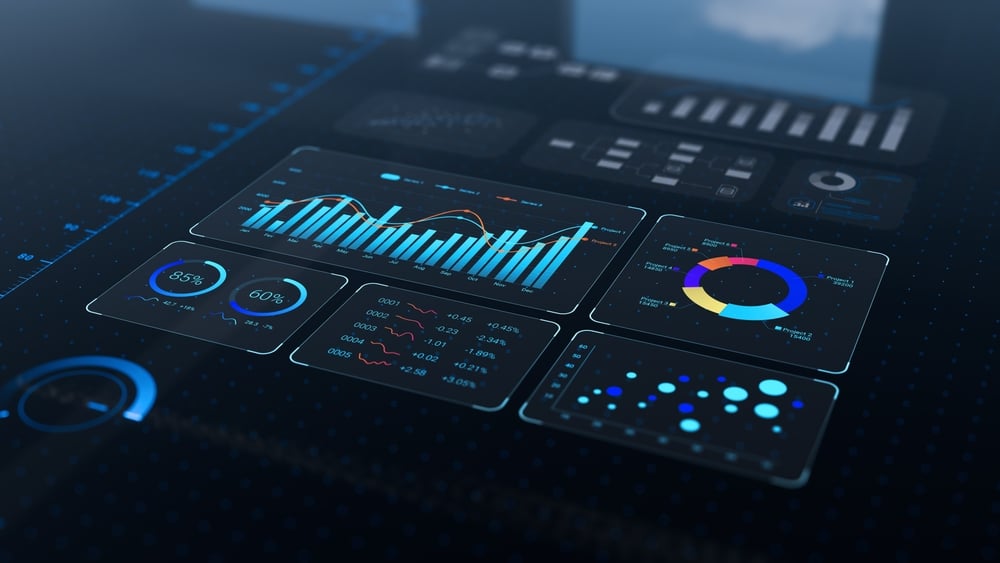
Successful marketing starts with knowing what works, what doesn’t, and where there is room for improvement. Analytics provides the data businesses need to better understand customer behavior, measure marketing performance, and make informed decisions. By turning valuable data into actionable insights, businesses can refine their strategies, reach the right audiences, and maximize the impact of their marketing efforts.
Key Takeaways
- Marketing analytics reveals customer behavior and trends
- Data-driven insights support smarter marketing decisions
- Real-time data helps improve personalization and engagement
- Analytics tools help optimize marketing campaigns
- Effective analytics improves overall marketing performance
Unlocking the Power of Marketing Analytics
Marketing analytics helps businesses better understand their customers and make informed decisions. By analyzing customer behavior, preferences, and trends, businesses can create marketing strategies that better meet their audience’s needs.
Analytics also provides actionable insights that help improve marketing efforts. Predictive analytics can identify potential trends, allowing businesses to adjust their strategies and stay ahead of changes in the market. One major benefit of analytics is real-time tracking. Monitoring campaign performance helps businesses quickly see what is working and make changes to improve results.
Analytics can also support personalization. Understanding customer interests and behaviors allows businesses to create more relevant experiences, which can increase engagement and conversions. Using analytics requires the right tools and technology to collect, organize, and measure data. These tools help turn marketing data into useful insights that support better campaigns and overall performance.
The Benefits of Marketing Analytics for Your Business
Marketing analytics helps businesses make better decisions by turning data into useful insights. It can improve how you spend your marketing budget, help you understand your customers, and identify growth opportunities. By using analytics effectively, businesses can create more targeted campaigns and improve overall marketing performance.
Better Marketing Budget Management
One of the biggest benefits of marketing analytics is the ability to make more informed decisions about where to spend your marketing budget. Businesses can analyze the performance of different channels, such as search engine optimization, paid advertising, social media, email marketing, and content marketing, to determine which strategies are generating the strongest results.
For example, analytics can show which campaigns are producing the most website traffic, leads, conversions, or sales. Businesses can then prioritize the channels and strategies that are delivering the greatest return while identifying areas where spending may not be producing the desired results. Over time, this can help reduce wasted marketing spend and create a more efficient overall marketing strategy.
More Accurate Market Predictions
Marketing analytics can also help businesses anticipate changes in customer behavior and market trends. Historical data can reveal patterns that may indicate what customers are likely to want or how they may respond to future campaigns. Predictive analytics takes this process further by using existing data to identify potential future outcomes.
These insights allow businesses to adjust their marketing strategies before significant changes occur. For example, a company may identify an increase in interest for a particular service or product and adjust its content, advertising, or promotional strategy to capitalize on that demand. While analytics cannot predict the future with complete certainty, it can give businesses valuable information for making more informed strategic decisions.
Improved Customer Segmentation
Not every customer has the same needs, interests, or purchasing behavior. Marketing analytics helps businesses identify meaningful differences between customer groups so they can create more relevant marketing strategies for each audience.
Businesses can analyze factors such as demographics, location, website behavior, purchase history, engagement, and interactions with previous campaigns. This information can be used to divide audiences into more specific segments and tailor messaging accordingly. More accurate customer segmentation can make marketing communications more relevant, helping businesses connect with customers based on their interests and behaviors rather than using the same message for everyone.
New Growth Opportunities
Analyzing marketing data can help businesses uncover opportunities that may otherwise be difficult to identify. Customer behavior, search trends, website activity, and campaign performance can reveal gaps in the market or areas where customers are showing increased interest.
For instance, analytics may show that visitors are consistently searching for a service that a business does not currently promote heavily. It could also reveal that a particular location, customer segment, product, or service is generating more interest than expected. These insights can help businesses explore new markets, develop new offerings, create additional content, or adjust their services to better meet customer demand.
More Effective Marketing Campaigns
Marketing analytics gives businesses the information they need to continuously improve their campaigns. Rather than launching a campaign and waiting until it ends to determine whether it was successful, businesses can monitor performance and make adjustments based on real-time or historical data.
Analytics can help businesses understand which messages, keywords, advertisements, content, and audience segments are generating the strongest engagement and conversions. These insights can then be used to create more targeted and personalized campaigns. Over time, this ongoing process of measuring, analyzing, and refining marketing efforts can lead to stronger campaign performance and more consistent results.
Leveraging Analytics to Identify Target Audiences
Identifying and understanding your target audience is crucial for any marketing strategy. Through audience analysis, you can refine your targeting, ensuring your messages reach the right people. Analytics enables you to segment your audience with precision, identifying distinct customer groups based on demographics, behaviors, and preferences.
Behavioral analytics plays a critical role in revealing what truly resonates with your audience. By examining how customers interact with your brand, you can tailor your marketing strategies to better meet their needs. This level of understanding allows you to create messages that speak directly to your audience, increasing engagement and driving conversions.
Demographic insights are equally important, helping you tailor your marketing strategies effectively. By understanding the age, gender, location, and other demographic factors of your audience, you can craft marketing messages that align with their interests and values.
Audience feedback, when analyzed properly, offers valuable insights into your marketing efforts. By collecting and analyzing feedback, you can identify areas for improvement and make data-driven decisions that enhance future marketing campaigns.
In the marketing world, insights into customer behavior and audience segmentation are essential for creating data-driven personas. These personas guide your marketing activities, ensuring your strategies are aligned with the needs and preferences of your target audience.
Tools and Technologies for Effective Marketing Analytics
The right marketing analytics tools can make it easier to understand data and improve marketing performance. These tools help businesses track results, understand customers, and make better decisions.
- Google Analytics: Tracks website traffic and user behavior
- CRM Systems: Organize customer data and interactions
- Social Media Analytics: Measures engagement and identifies trends
- A/B Testing Tools: Compares different marketing strategies to find what works best
- Data Visualization Tools: Turn complex data into easy-to-understand visuals
Using the right tools helps businesses better understand their audience and create more effective, data-driven marketing strategies.
Practical Tips for Implementing Analytics in Marketing Campaigns
Using analytics effectively starts with a clear plan and consistent approach. The following strategies can help businesses make better use of their marketing data and improve campaign performance.
| Tip | How It Helps |
| Set Clear Goals | Define what you want to learn or improve with your data |
| Review Data Regularly | Monitor results and adjust strategies as trends change |
| Encourage Team Collaboration | Share insights across teams to support better decisions |
| Keep Learning | Stay updated on new analytics tools and techniques |
| Use Case Studies | Learn from successful campaigns and apply proven strategies |
By setting clear goals, reviewing data, and using the right tools, businesses can turn analytics into valuable insights that improve marketing performance and customer engagement.
Marketing Analytics FAQs
What marketing analytics should businesses track?
Businesses should track a variety of marketing analytics to gauge their performance effectively. Key metrics include conversion rates, customer acquisition costs, return on investment (ROI), and customer lifetime value (CLV). Additionally, monitoring website traffic, social media engagement, and email campaign performance is crucial. By keeping an eye on these analytics, businesses can optimize their marketing strategies, improve customer experiences, and ultimately drive growth.
Why is marketing analytics important for businesses?
Marketing analytics helps businesses make informed decisions based on data rather than assumptions. It shows which strategies are generating results and where marketing efforts may need improvement. Analytics can also help businesses better understand customer behavior and preferences. This information supports more effective campaigns and better use of marketing budgets.
How can marketing analytics improve marketing campaigns?
Marketing analytics provides insights into how customers interact with different campaigns and channels. Businesses can use this information to identify successful strategies and make adjustments to underperforming campaigns. Analytics can also help improve targeting and personalization. Over time, these improvements can lead to stronger engagement and better campaign results.
What tools can businesses use for marketing analytics?
Businesses can use a variety of tools to collect and analyze marketing data. Common options include Google Analytics, CRM platforms, social media analytics tools, and data visualization software. These tools can track website activity, customer interactions, campaign performance, and other important metrics. Choosing the right tools depends on the business’s goals, marketing channels, and data needs.
How often should businesses review their marketing analytics?
Marketing analytics should be reviewed regularly to keep up with changes in customer behavior and campaign performance. Some metrics, such as website traffic and ad performance, may benefit from frequent monitoring. More detailed performance reviews can be conducted weekly or monthly to identify larger trends. Consistent reviews allow businesses to make timely adjustments and keep their marketing strategies on track.
Marketing Analytics for Better Results
Marketing analytics gives businesses the data they need to understand customers, measure campaign performance, and make informed marketing decisions. By tracking the right metrics and using effective analytics tools, businesses can improve their strategies, optimize their budgets, and achieve better results.
As a digital marketing agency in Houston, we understand how important data is to creating effective marketing strategies. Our team uses data-driven insights to help businesses improve their online marketing efforts and reach their goals.
Ready to use marketing analytics to improve your results? Contact our team to discuss your marketing goals and create a strategy built around data.

Karen Molina is a Content Writer at ITVibes, where she began her career in digital marketing in 2023. She has been with the company since October 2024 and holds an Associate’s Degree in Business Administration with a specialization in Marketing. Outside of work, Karen enjoys cooking, staying active, spending quality time with family, listening to podcasts, and unwinding with a good movie.