
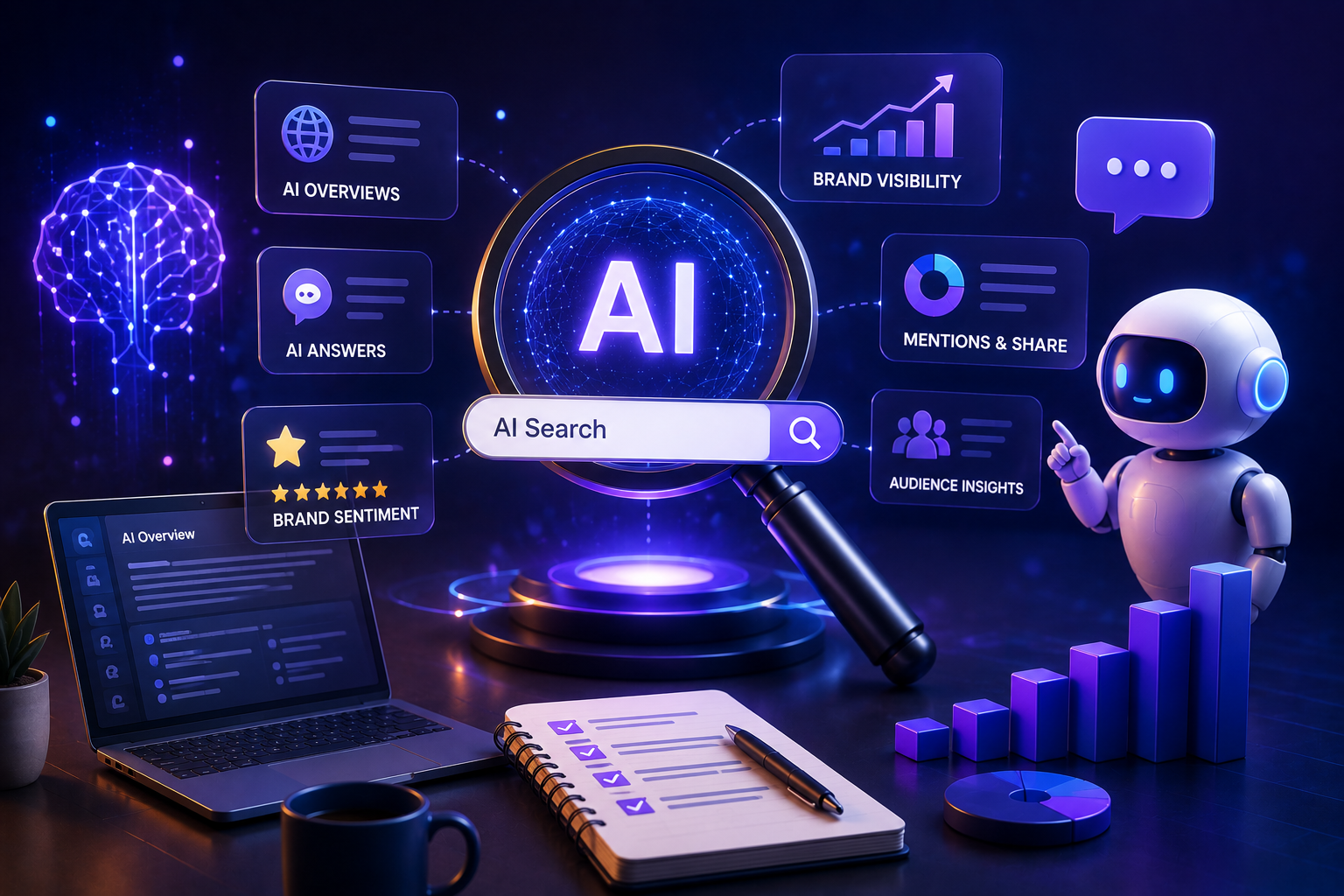
Artificial intelligence is changing how people search for information, with users increasingly relying on direct answers instead of browsing multiple websites. This shift is affecting how brands are discovered, mentioned, and trusted across digital platforms. As AI-driven search continues to grow, businesses must understand how visibility is evolving and what it means for their online presence.
For businesses, this raises an important concern about whether their brand is being represented in AI-generated responses. If your brand is not included in these outputs, it becomes difficult to understand your true presence in search and how users perceive your business. This creates a gap between traditional performance metrics and actual visibility across AI-driven platforms.
Tracking visibility in AI search is no longer limited to rankings or traffic alone, as it now includes mentions in generated answers, summaries, and recommendations. Businesses need to evaluate how often they appear and how they are represented in these responses to make informed decisions. To achieve this, using the right tools becomes essential for understanding performance and identifying areas for improvement.
Key Takeaways
- AI search visibility goes beyond traditional rankings
- Brand mentions in AI responses are a key performance signal
- Tracking tools provide insights into how your brand appears in AI-generated results
- Monitoring competitors helps identify gaps and opportunities
- Consistent tracking supports better content and SEO decisions
What Is Brand Visibility in AI Search?
Brand visibility in AI search refers to how often and how prominently your business appears in AI-generated responses, including summaries, recommendations, and conversational answers. Unlike traditional search engines, these platforms generate direct responses rather than displaying a list of links, which changes how users interact with search results. This means that visibility depends more on relevance, authority, and how AI systems interpret your content.
If your content is not part of the sources used by AI systems, your brand may not appear at all in generated responses. This makes visibility less about ranking position and more about inclusion and representation within AI-driven outputs. Businesses must therefore focus on creating content that aligns with both user intent and the way AI platforms evaluate information.
Why Businesses Need to Track AI Visibility
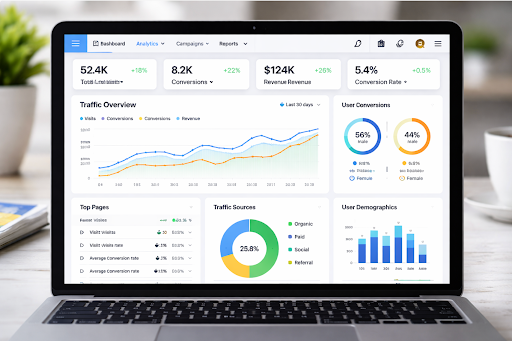
As AI search continues to evolve, relying only on traditional analytics is no longer sufficient for measuring performance. Website traffic alone does not indicate whether your brand is being included in AI-generated answers or how it is being presented. This creates a need for additional tracking methods that go beyond conventional SEO metrics.
Monitoring visibility helps businesses understand their presence, evaluate competitors, and identify opportunities for improvement across different AI platforms. It provides insights into how often your brand appears, which topics drive that visibility, and where competitors may be gaining an advantage. Without this level of insight, it becomes difficult to refine strategy and maintain a competitive position.
9 Best Tools to Track Brand Visibility in AI Search
1. Profound
Profound is built specifically to track how often your brand appears in AI-generated responses across different platforms. It provides detailed insights into visibility trends, helping businesses understand whether their presence is improving or declining over time. One of its strengths is identifying which queries or topics trigger brand mentions, allowing you to align your content strategy with actual user intent.
2. Goodie AI
Goodie AI focuses on how your brand is represented within AI-generated answers rather than just tracking mentions. It analyzes how your content is interpreted, summarized, and presented by AI systems, which is critical for maintaining consistent messaging. This helps businesses identify whether their positioning is clear or if it is being misunderstood in AI responses. With these insights, you can refine your content to improve accuracy, clarity, and brand perception.
3. Peec AI
Peec AI provides a broader view of brand visibility by tracking how frequently your business appears across multiple AI search platforms. It also includes competitor comparison features, allowing you to understand how your brand compares to others in your industry. This makes it easier to identify gaps in visibility and uncover opportunities for improvement. Over time, it helps businesses measure the impact of content and SEO strategies more effectively.
4. Rankscale
Rankscale measures not just the presence but also the prominence of your brand in AI-generated responses. It evaluates how consistently your brand appears and whether it is highlighted or simply mentioned within outputs. This distinction helps businesses understand the true impact of their visibility and refine their approach accordingly.
5. Otterly AI
Otterly AI is designed to analyze how your content is used and referenced by AI systems as they generate answers. It helps determine whether your website or content is being treated as a reliable source. This is particularly useful for businesses investing in content marketing and authority building. If your content is not being referenced, it signals the need to improve structure, relevance, or credibility.
6. Semrush (AI Tracking Features)
Semrush has expanded beyond traditional SEO to include insights related to AI-driven search environments. It connects content performance data with emerging search behaviors, helping businesses understand how their content is positioned across different platforms. This integration allows you to manage both SEO and AI visibility from a single ecosystem. For businesses already using Semrush, this makes it easier to adapt to changing search trends without adding complexity.
7. Ahrefs
Ahrefs remains a strong tool for analyzing backlinks, domain authority, & content performance, all of which influence visibility in AI-generated responses. While it does not directly track AI mentions, it helps strengthen the factors that determine whether your content is used as a source. Businesses can use it to identify high-performing content and improve authority signals. This indirectly increases the chances of being included in AI outputs.
8. Brand24
Brand24 tracks brand mentions across a wide range of online sources, including blogs, forums, and news platforms. These mentions contribute to how AI systems gather and interpret information about your brand. By monitoring conversations and sentiment, businesses can understand how they are perceived online. This broader visibility plays a key role in improving authority and inclusion in AI-generated responses.
9. Google Search Console
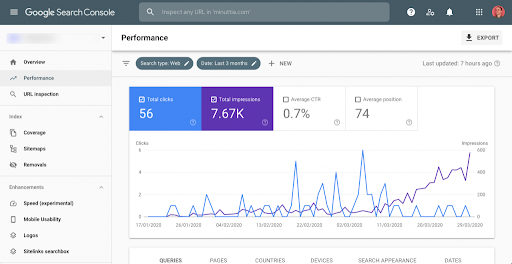
Google Search Console provides essential data on how your content performs in traditional search, including indexing, queries, and impressions. While it does not directly measure AI visibility, it ensures your content is accessible and optimized for discovery. Strong performance in search engines increases the likelihood of your content being used in AI-generated answers. For businesses, it remains a foundational tool that supports the overall visibility strategy.
AI Visibility Tools Comparison
| Tool | Primary Focus | Key Strength | Best For |
|---|---|---|---|
| Profound | AI visibility tracking | Tracks brand mentions in AI responses | Businesses focused on AI search performance |
| Goodie AI | Content interpretation | Analyzes how AI presents your brand | Messaging and brand clarity |
| Peec AI | Competitor tracking | Compares visibility across brands | Competitive analysis |
| Rankscale | Visibility measurement | Tracks positioning and consistency | Performance monitoring |
| Otterly AI | Content influence | Shows how content is used by AI systems | Content-driven businesses |
| Semrush | SEO + AI insights | Combines SEO data with AI trends | Businesses using SEO tools |
| Ahrefs | Authority tracking | Strong backlink and content analysis | Building domain authority |
| Brand24 | Brand mentions | Tracks online conversations and sentiment | Reputation monitoring |
| Google Search Console | Search performance | Provides indexing and query data | Foundational SEO tracking |
How to Choose the Right Tool
The right tool depends on your business goals, budget, and level of investment in AI-driven search. Some tools focus directly on visibility tracking, while others provide supporting insights through SEO and content performance. Choosing the right combination allows businesses to build a more complete understanding of their presence.
Businesses should evaluate whether they need direct visibility tracking or a broader view of performance across platforms. Tools that provide actionable insights rather than just data reports are more effective for long-term strategy. A balanced approach helps ensure better decision-making and consistent improvement.
What This Means for Your Business
AI search is changing how customers discover brands, shifting the focus from rankings and clicks to visibility within generated responses. This means businesses must adapt their strategies to remain competitive in evolving search environments. Visibility now depends on relevance, authority, and how consistently your content appears in AI outputs.
Businesses that track and respond to these changes can maintain a strong presence and stay ahead of competitors. Those who do not adapt may lose visibility even if their traditional SEO metrics remain stable. Staying proactive and refining your approach is essential for long-term success.
AI Search Visibility FAQs
What is AI search visibility?
AI search visibility refers to how often your brand appears in AI-generated responses such as summaries and recommendations. It depends on how relevant and authoritative your content is within the context of user queries. Businesses must focus on creating content that AI systems can interpret, trust, and include in their outputs.
Why is tracking AI visibility important?
Tracking helps businesses understand whether their brand is being included in AI-generated answers and how often competitors appear instead. It highlights gaps in content and areas where visibility can be improved. This insight supports better strategic planning and informed decision-making.
Are traditional SEO tools enough for AI search?
Traditional tools provide valuable data on rankings and traffic, but they do not fully capture AI visibility. AI-specific tools offer additional insights into how content appears in generated responses. Using both together gives a more complete and accurate view of performance.
How can businesses improve AI visibility?
Businesses can improve visibility by creating high-quality content that aligns with user intent and provides clear, relevant information. Building authority through consistent publishing and credible sources also plays an important role. Regular tracking helps identify what is working and where adjustments are needed.
Do all businesses need AI visibility tools?
Not every business needs advanced tools immediately, especially in the early stages of content strategy. However, businesses investing in SEO and content marketing benefit significantly from tracking visibility. It provides a clearer understanding of how their brand is represented in modern search environments.
Staying Visible in AI Search
AI search is reshaping how users discover information and how brands gain visibility in digital environments. Tracking your presence in AI-generated responses is becoming essential for maintaining competitiveness. It provides insight into how your brand is represented and highlights areas where improvements are needed to stay relevant.
As a digital marketing agency, we help businesses adapt to these changes by building strategies that align with evolving search behavior. Our approach ensures that your brand remains visible, relevant, and positioned for long-term growth. By focusing on content quality, authority, and consistency, we help businesses strengthen their presence across AI-driven platforms.
Are you ready to improve your brand’s visibility in AI search platforms and stay ahead of changing search trends? A structured approach that combines the right tools with a clear content strategy can make a measurable difference. Connect with ITVibes to build a strategy that supports sustained growth and long-term success.

Srinivas Adari is a content writer at ITVibes with a strong focus on crafting clear, engaging, and search-friendly digital content. He specializes in developing website copy, blogs, and marketing materials that align with brand voice while improving online visibility. Outside of work, he enjoys spending time with his children and experimenting with cooking, which reflects his creative and grounded approach to both life and writing.