
Lone Star Expo Convention Center Case Study
Preparing a Public Venue Website with ITVibes
To support updated accessibility requirements, ITVibes' audit identified accessibility barriers and prepared the site for updated WCAG compliance ahead of the April 24 deadline, helping stakeholders understand key risks and remediation priorities.

%
Accessibility Report
%
Long-Term Improvements
%
Stronger Digital Usability
Our Approach
Websites serving public venues and community spaces must remain accessible to all users, including those who rely on assistive technologies like screen readers and keyboard navigation. Our team conducted a detailed accessibility audit focused on identifying usability barriers and WCAG compliance concerns throughout the website.
With updated WCAG standards approaching enforcement, our team partnered with the organization to evaluate website accessibility and identify areas for improvement. The audit reviewed navigation, interactive elements, embedded media, color contrast, semantic structure, and overall accessibility best practices.
The Challenge
The website contained several accessibility concerns related to media, navigation, and interactive functionality that impacted both usability and WCAG compliance. Because the website serves the public and provides event information, accessibility improvements were essential to ensure inclusive access for all visitors.
- Inaccessible video controls
- Missing accessible names for logo links
- Duplicate H1 headings
- Insufficient color contrast in third-party widgets
- Missing titles for embedded calendar iframes
- Focus visibility concerns
- ARIA role implementation issues
- Menu contrast limitations on image backgrounds
Accessibility Review Areas
Each issue was documented with technical explanations and remediation guidance to support future development updates.
The audit included an evaluation of:
- Video and media accessibility
- Keyboard and screen reader compatibility
- Heading hierarchy and semantic structure
- ARIA attributes and accessible naming
- Interactive navigation components
- Embedded iframe accessibility
- Color contrast compliance
- Focus states and keyboard visibility
- Third-party widget accessibility
- Accessible link text and navigation clarity
Custom Website Design
We created a visually stunning, user-friendly website tailored to the client’s brand and business goals.
- Modern, mobile-responsive design for seamless user experience
- Easy navigation and clear calls-to-action to drive conversions
- Custom graphics and layouts that align with brand identity
Ready for a website that sets you apart? Let’s build something amazing together!
WordPress Development
We built a custom WordPress website designed to support multiple users with different access levels, ensuring seamless collaboration and security.
- Multi-user functionality with role-based permissions
- Custom themes and optimized performance for a smooth user experience
- SEO-friendly structure to enhance search visibility
Need a flexible, high-performing WordPress site for your team? Let’s build it together!
SEO Content Writing
We crafted engaging, keyword-rich content to boost the client’s search rankings and attract their target audience.
- Well-researched blog posts and service pages optimized for SEO
- Clear, persuasive messaging that connects with potential customers
- Content strategy focused on increasing organic traffic and engagement
Let us help you rank higher and reach the right audience—get in touch today!
Maintenance & Hosting
We handled all aspects of hosting and maintenance to keep the client’s website secure, fast, and always available.
- Regular backups & disaster recovery to prevent data loss
- SSL certificates for secure, encrypted connections
- 24/7 technical support for immediate troubleshooting
Looking to optimize your multi-location website? Let’s implement a subdomain strategy today!
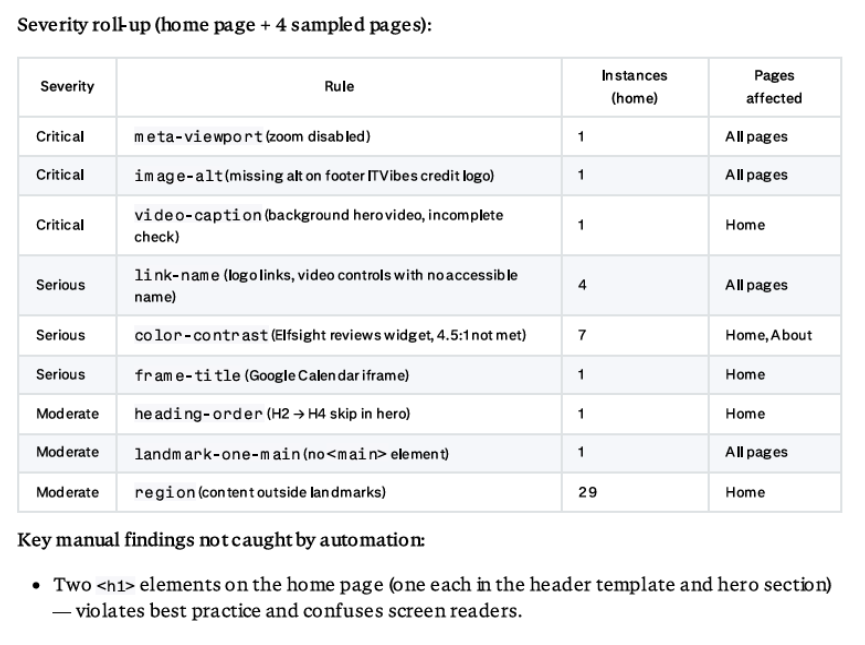
Key Findings Before Optimization
The audit identified several accessibility issues affecting media accessibility, semantic structure, navigation clarity, and interactive components.
- Video controls lacking accessibility support
- Duplicate H1 headings impacting semantic structure
- Missing accessible names for linked logos
- Insufficient contrast within third-party widgets
- Embedded calendar iframes missing accessible titles
- Inconsistent focus visibility for keyboard users
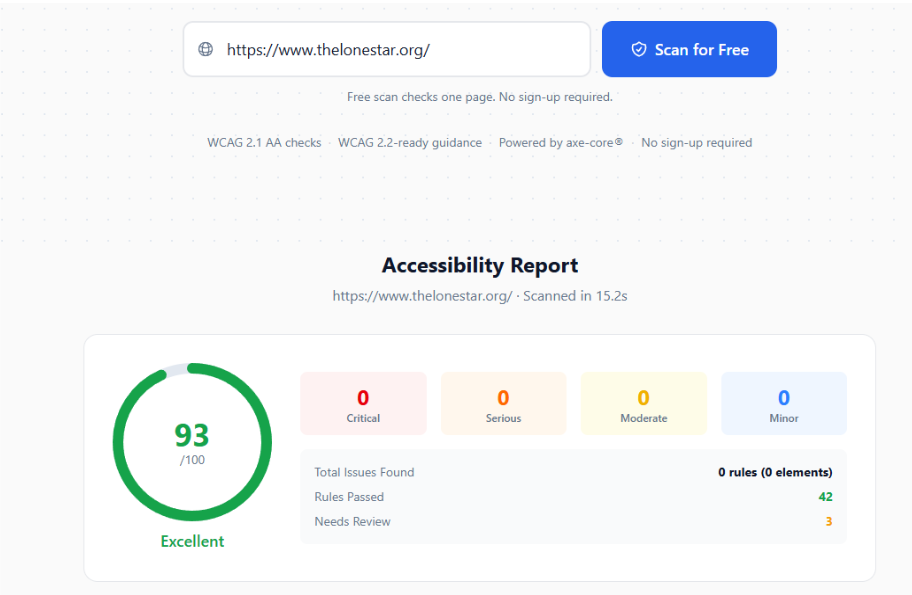
After Optimization Recommendations
After completing the initial accessibility improvements, our team identified a few additional opportunities to further enhance the website's usability and accessibility. We recommend the following updates to create a better experience for all visitors while helping the website maintain compliance with WCAG accessibility standards.
- Accessible media controls implemented
- Heading structure corrected for WCAG alignment
- Accessible names added to logo links
- Color contrast improved for readability
- Accessible iframe titles added
- Focus states enhanced for keyboard navigation
The Results
Following the audit, our team developed a structured remediation plan outlining both immediate accessibility fixes and longer-term improvements. By proactively identifying accessibility concerns, the organization is now better positioned to improve usability and provide a more inclusive digital experience for visitors.
Recommendations included both technical implementation guidance and broader accessibility best practices to support future website maintenance. The accessibility audit provided stakeholders with a clear roadmap toward improved accessibility compliance and stronger digital usability.
Project outcomes included:
- Greater visibility into accessibility issues and WCAG risks
- Prioritized remediation recommendations
- Improved understanding of accessibility standards
- Documentation supporting future website updates
- A structured path toward long-term accessibility readiness
Why Accessibility Matters
Accessibility should remain an ongoing part of website management and future development, not just a one-time project. As the website grows, new pages, features, and content should be reviewed to ensure they continue to meet accessibility standards. This includes website templates, navigation, media, event content, third-party widgets, embedded calendars, and other external tools.
Regular keyboard navigation testing and accessibility validation should also be included during future website updates. Establishing an ongoing accessibility review process will help support long-term WCAG compliance while creating a more inclusive and user-friendly experience for everyone who visits the website.

More Traffic
More Impressions